

Key Takeaways
- From 15 September 2026, you have three business days to cancel an eligible unsecured loan from a licensed money lender.
- The rule covers unsecured loans (excluding business loans) disbursed on or after that date.
- You repay the principal you received plus a capped part of the approval fee, with no interest.
- The money lender cooling-off period starts counting the day after disbursement, so act early.
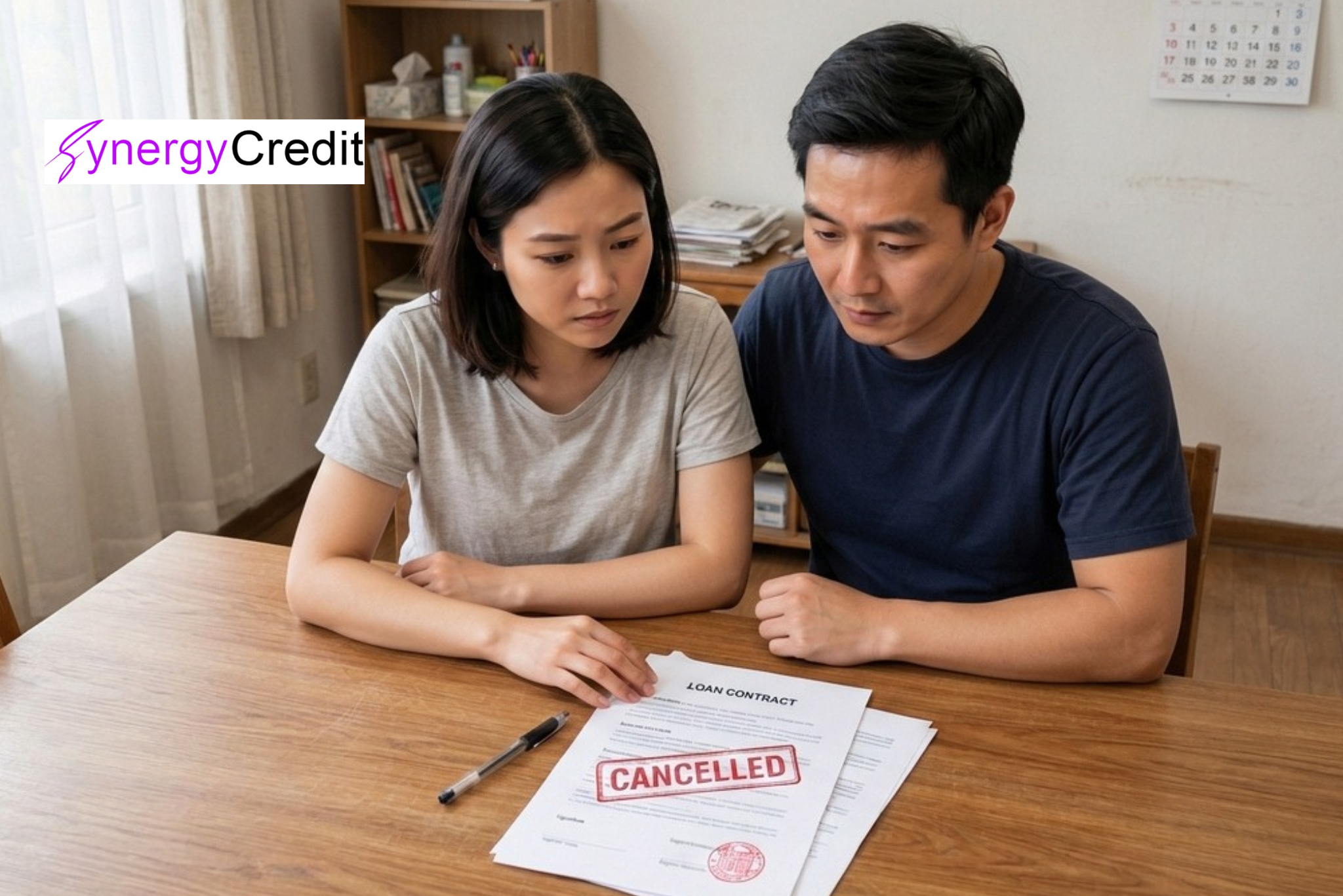
Signed a loan on impulse and regretted it by Monday? The new money lender cooling-off period gives you a way out.
Since 15 September 2026, every eligible unsecured loan from a licensed money lender in Singapore comes with a short window to cancel at reduced cost. This guide explains what the cooling-off period rule covers, what you repay, how to cancel a loan and what to do if a lender says no.
What Is the Money Lender Cooling-Off Period?
The cooling-off period in Singapore is a window of three business days, counted from the date your loan is disbursed, during which you may cancel an eligible loan. Cancellation is not free, but you pay no interest and only a capped part of the fee. The Ministry of Law (MinLaw) set out the rule in its MinLaw announcement on 31 August 2026, and it took effect on 15 September 2026.
Why does it exist? Borrowing decisions are sometimes made on impulse. The rule gives you time to reconsider, while still letting the lender keep a share of the approval fee to cover the work it has already done. It sits alongside the new money lender rules that already cap interest, fees and total charges.
In practice, the first few days after the money lands in your account become thinking time. If your plans change, or you realise the repayments will be tighter than expected, you can reverse the decision without paying months of interest. After the window closes, the loan runs on the contract you signed.
It is not a free loan. Personal loan cancellation still means repaying what you received, and the sections below show exactly how much.
Which Loans Does the Cooling-Off Period Cover?
The rule applies to unsecured loans from licensed money lenders, other than business loans, that were disbursed on or after 15 September 2026. Unsecured loans can include debt consolidation loans, instant loans, wedding loans, personal loans and more. Secured loans, business loans and older loans are outside it. If you are unsure which category your loan falls into, check your loan contract or ask the lender.
Loan disbursed on 14 September 2026?
No cooling-off period applies. The original contract terms stand.
Secured or business loan?
Not covered by this rule.
How to Count the Three Business Days for Your Loan

In the money lender cooling-off period, the day your loan is disbursed does not count. Counting starts the next day, and Saturdays, Sundays and Singapore public holidays are skipped.
Say your loan is disbursed on Wednesday 23 December 2026. Thursday 24 December is day one. Friday 25 December is Christmas Day and a weekend follows, so none of those days counts. Monday 28 December is day two and Tuesday 29 December is day three, your last day to cancel. Three business days can therefore stretch well beyond three calendar days.
Public holidays matter more than people expect, especially around Chinese New Year and year-end. Check the official holiday dates for your disbursement week rather than guessing.
Ask your lender to confirm your last day in writing so you know how to plan.
How Much You Repay if You Cancel
If you cancel, you repay two things:
- The principal you actually received after the upfront approval fee was deducted.
- The part of the approval fee the lender may keep.
No interest is charged, and the total can never exceed the loan principal. Lenders may deduct an approval fee of up to 10% of the principal, as the Registry FAQ explains. The part of the fee a lender may keep depends on the loan size:
- S$5,000 and below: up to S$50, and no more than the fee you paid
- More than S$5,000: up to 3.5% of the principal, and no more than the fee you paid
Two official examples show how this works.
On a S$1,000 loan with a 10% fee, S$100 is deducted, and you receive S$900. If you cancel, you repay up to S$950.
On a S$10,000 loan with a 10% fee, S$1,000 is deducted, and you receive S$9,000. Cancelling means repaying up to S$9,350.
Notice the pattern: the more of the fee the lender deducted, the more it may keep, but never beyond the cap. Ask for the cancellation figure in writing before you transfer any money, and check it against the two limits above.
For how the money lender interest rate and loan fees work, read about interest and fees.
How to Cancel a Money Lender Loan Step by Step
Follow these three steps as soon as you decide to cancel a loan.
#1 Act on Day One
Don’t wait until the last day. Work out your deadline using the counting method above, and confirm your loan is covered. Keep the money untouched where you can, because you will need to repay the principal you received. If you are already doubtful, speak to your lender early.
#2 Tell the Lender in Writing and Ask for the Figure
Contact the lender through its official channels and say you want to cancel the loan under the cooling-off period. A message or email gives you a record, although this is practical advice rather than a legal requirement. Ask for the exact amount to repay, how to pay it and by when.
#3 Repay and Keep the Proof
Repay the confirmed amount and ask for a receipt. The Registry of Moneylenders advises getting one for every repayment. Then ask for written confirmation that the loan is closed, and keep all your documents. If anything differs from what you were told, ask straight away.
What if You Miss the Window or the Lender Refuses?
Suppose you do nothing within the three business days and the cooling-off period lapses. The loan continues on its original terms. The contract binds you. If repayments later become hard, read what to do when you are unable to pay a money lender before the problem grows.
This is why it pays to read the contract carefully before you sign. Check the repayment schedule, the money lender interest rate and every fee, and borrow only what you can comfortably repay.
A refusal is different. A licensed money lender must allow you to cancel when you meet the requirements. If it refuses, it has breached a condition that applies to licensed money lenders, and you can file a report with the Registry of Moneylenders online or call 1800-2255-529. Our guide on how to lodge a complaint walks you through it. Keep your messages, the loan contract and any receipts as evidence.
Cooling-Off Cancellation Versus Early Settlement

It is easy to mix up personal loan cancellation under the cooling-off rule with early settlement.
Cancel within the window, and you pay no interest and only a capped part of the approval fee. Settle after the window and your contract applies: interest is worked out on the principal still outstanding, and total charges cannot exceed the loan principal.
The Ministry of Law encourages money lenders to reward early settlement but does not require it, so ask your lender whether it offers a discount. Do not assume one.
FAQs
Does the rule cover bank loans or credit cards?
No. The money lender cooling-off period is a MinLaw rule for licensed money lenders. For banks and cards, check the provider’s own terms.
Will cancelling affect my MLCB credit report?
The official cooling-off guidance does not say how a cancelled loan is shown. Ask your lender, and see our money lender bureau guide.
How do I check that a lender is licensed?
Search the lender’s name on the official list of licensed money lenders. Our guide to the Registry of Moneylenders explains the steps.
Where can I get help if I cannot afford repayments?
The Registry cannot restructure loans, so approach one of the social service agencies listed in the Ministry of Law’s FAQs.
Looking for a reliable lender? Synergy Credit is a licensed money lender listed on the Registry of Moneylenders (licence number 147/2025). We believe borrowing should feel safe and clear. We are happy to help every step of the way. You can call us on 6250 0066 or visit our Clementi office (closed on public holidays). Get to know us, drop us a message with any questions or apply whenever you’re ready.
Read these next: